About
Energy and Reliability
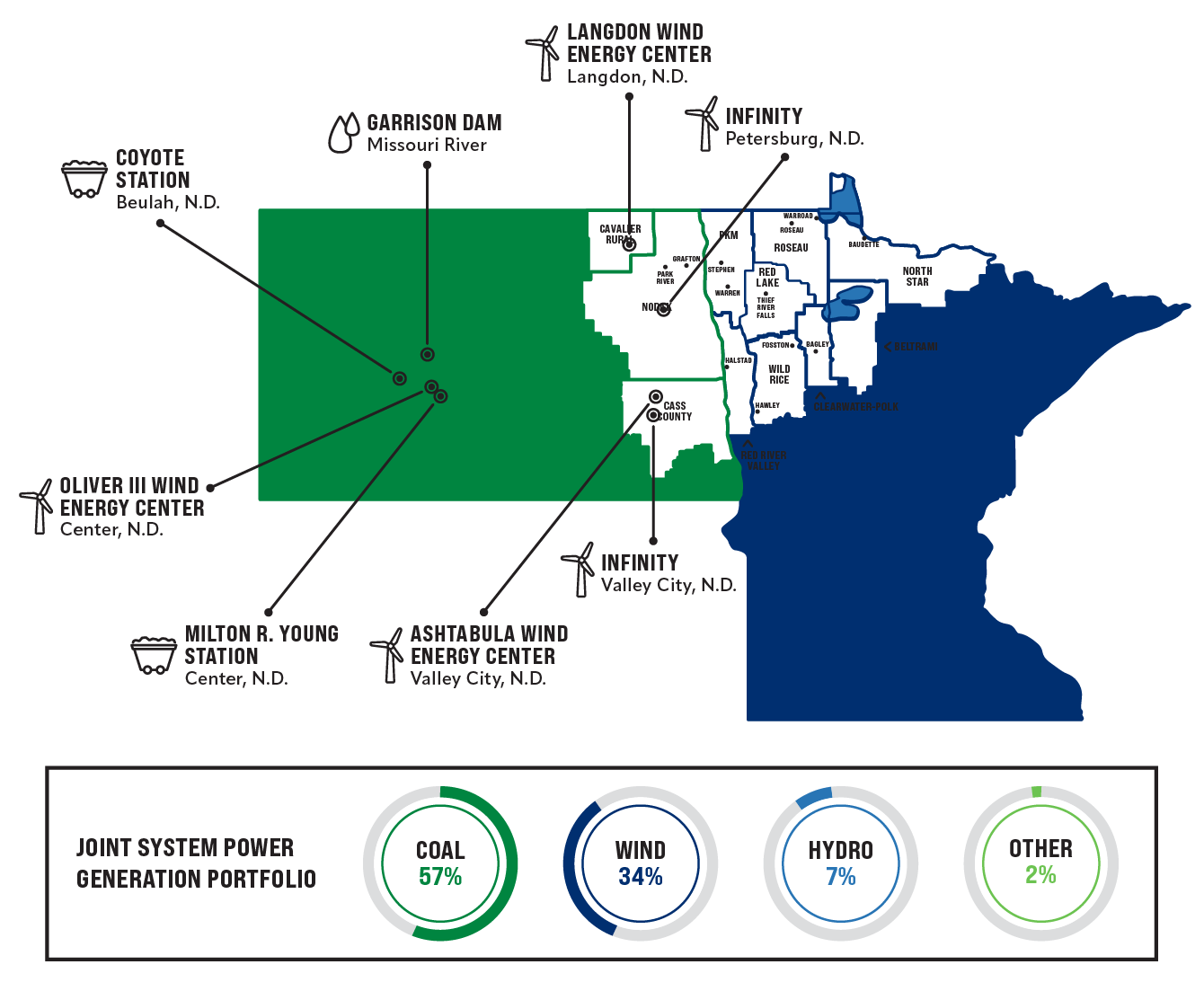
Minnkota Power Cooperative, like many other electrical cooperatives, relies on a diverse array of power sources to meet the energy needs of its members.
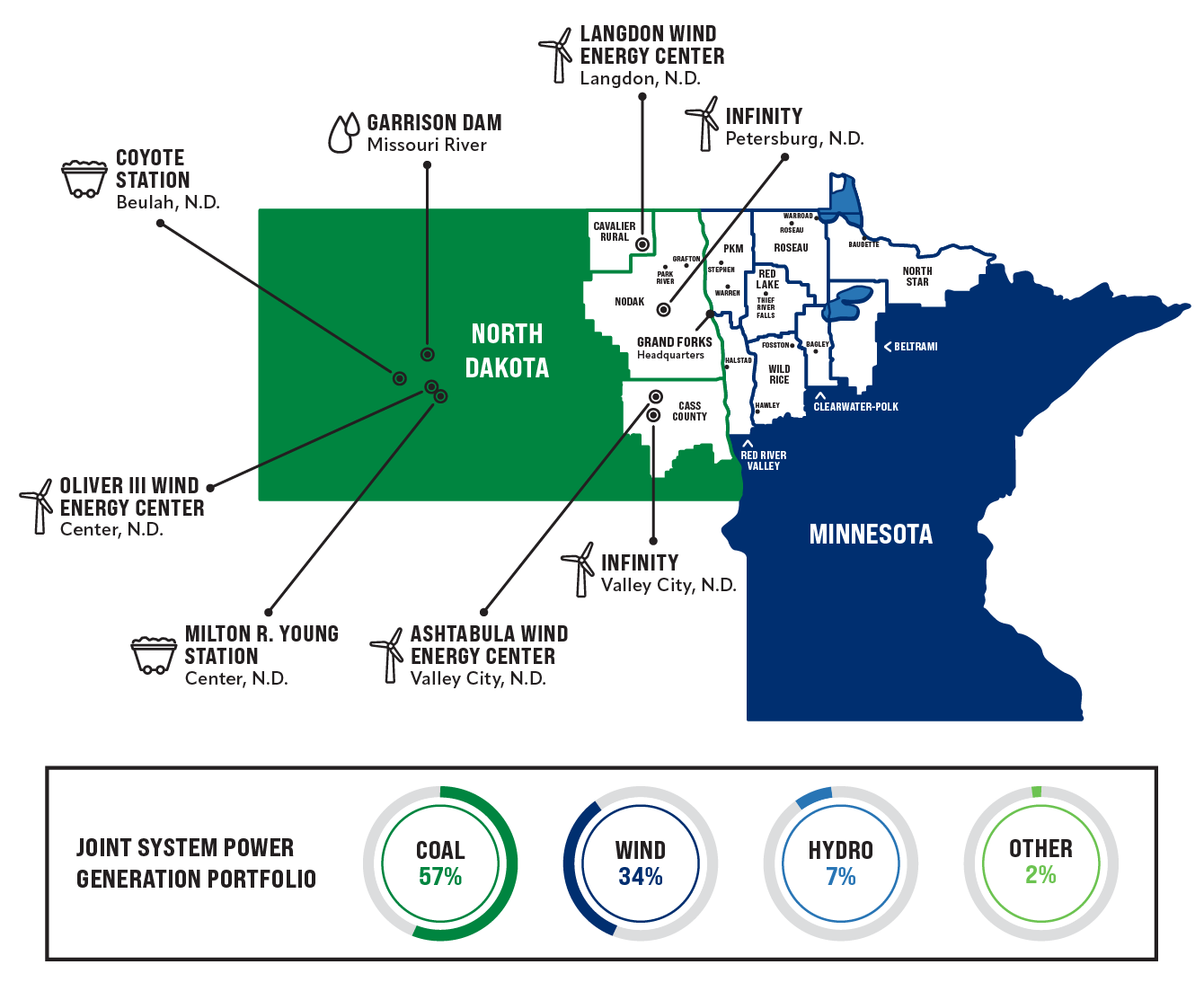
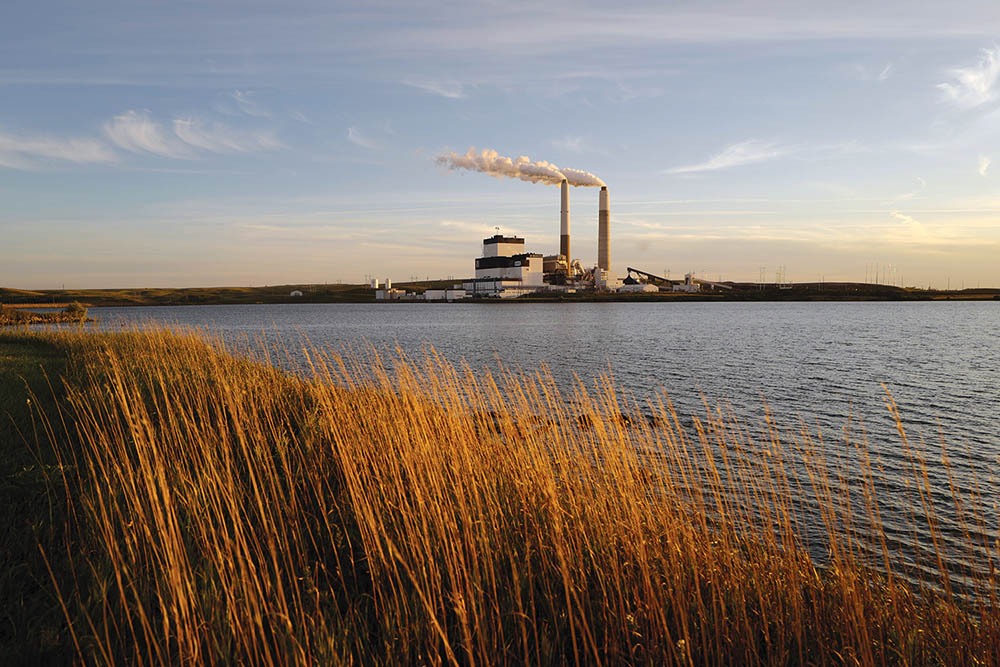

One of the primary sources of power within the Minnkota system is coal-fired generation. Coal has historically been a dependable and affordable option for generating electricity, providing a stable base load of power.
In recent years, Minnkota has increasingly turned to renewable energy sources such as wind and hydroelectric power to diversify its energy portfolio and reduce its carbon footprint. Wind energy, in particular, has seen significant growth within the cooperative's system, with the vast expanses of the North Dakota plains providing an ideal environment for wind turbine installations. Wind power offers several advantages, including its abundance and sustainability, but its reliability can be variable depending on weather conditions.
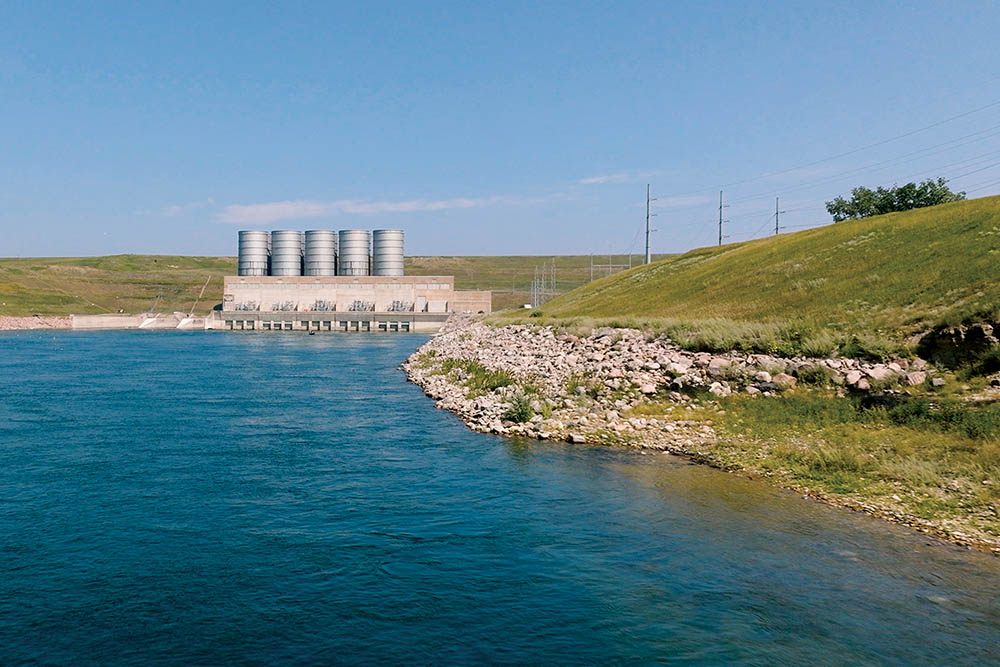
Hydroelectric power, generated from the cooperative's hydroelectric dams, also plays a significant role in Minnkota's power mix. Hydroelectric power offers a reliable and consistent source of energy, as it is not subject to the same intermittency issues as wind or solar power. However, the availability of hydroelectric generation is dependent on factors such as water levels and seasonal variations in precipitation.
In addition to these sources, Minnkota also supplements its power supply through purchases on the wholesale market and participates in regional transmission organizations to ensure grid reliability and stability. This diversified approach to power generation helps to mitigate risks associated with any single source of energy and provides a more resilient system overall. While each type of power generation has its own advantages and challenges, the combination of coal, renewables and purchased power allows Minnkota Power Cooperative to reliably meet the energy needs of its members while adapting to changing market conditions and environmental concerns.